
.webp)



Applications
Warehouse and Distribution Centers
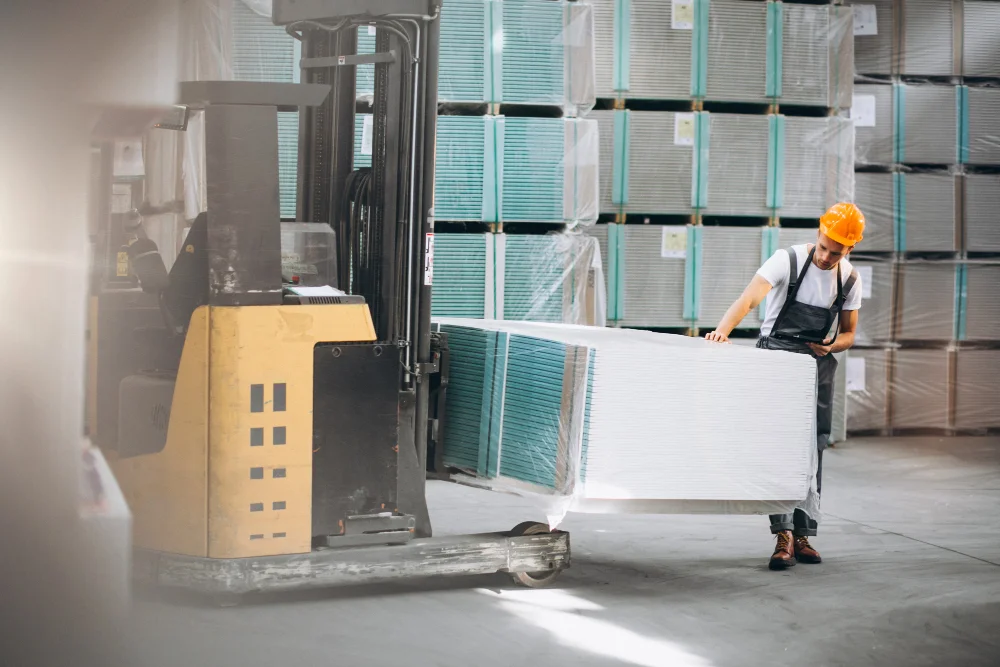
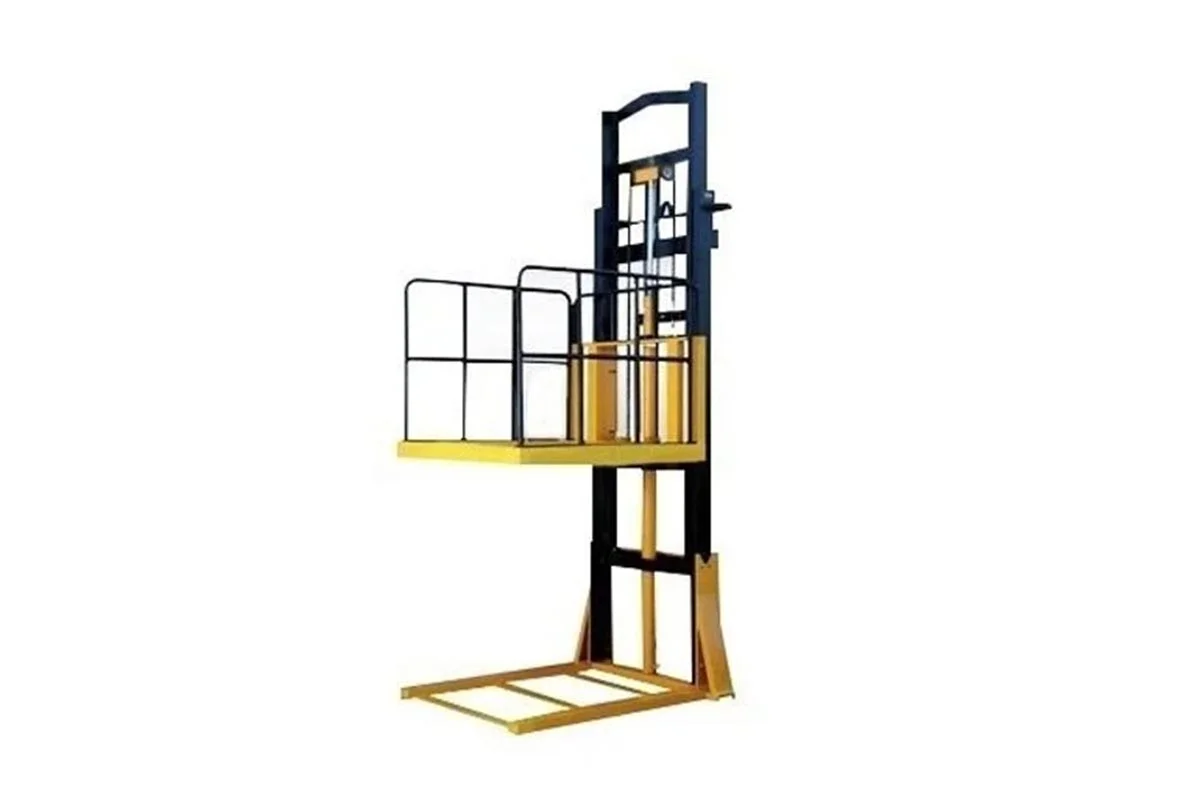
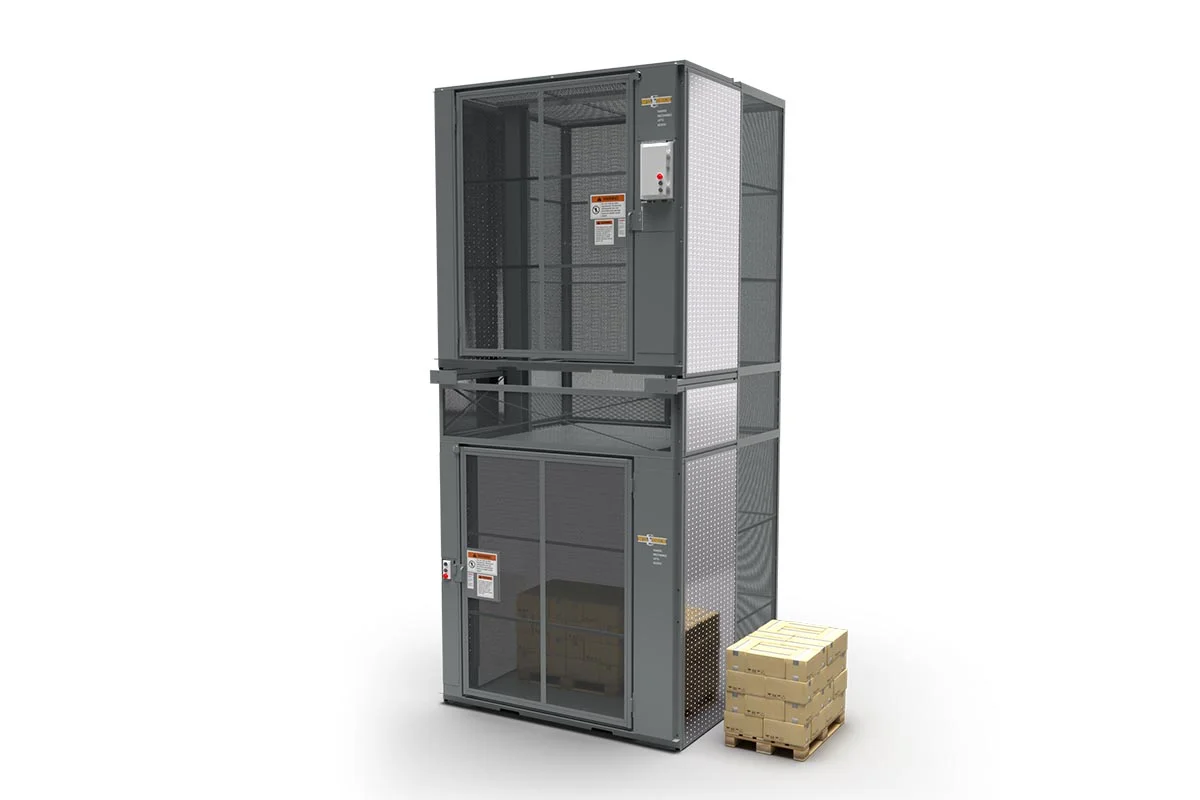
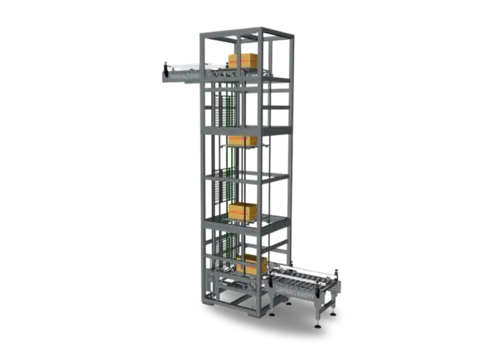
VRCs are extensively used in warehouses and distribution centers for efficiently moving palletized goods, cartons, and materials between floors. They facilitate the vertical transportation of goods, optimizing storage space utilization and streamlining logistics operations.
Manufacturing Facilities
In manufacturing plants, VRCs play a crucial role in the vertical movement of heavy equipment, machinery parts, and components between production levels or assembly lines. They support just-in-time manufacturing processes by ensuring timely delivery of materials to the required locations.
Retail and Commercial Buildings
VRCs are installed in retail stores, supermarkets, and commercial buildings to transport merchandise, inventory, and goods between different floors or storage areas. They aid in inventory management and replenishment, allowing businesses to efficiently handle large volumes of goods.
Automotive Dealerships and Service Centers
Vertical reciprocating conveyors are used in automotive dealerships and service centers for transporting vehicles between different levels of the facility, such as showroom floors, service bays, and storage areas. They enable efficient vehicle storage, display, and access for maintenance and customer inspection.
Food and Beverage Industry
VRCs find applications in the food and beverage industry for vertically transporting packaged goods, ingredients, and supplies between production floors, storage areas, and distribution points. They help maintain product integrity and hygiene standards while facilitating the movement of goods within food processing facilities.
Hospitals and Healthcare Facilities
In hospitals and healthcare facilities, VRCs are utilized for transporting medical equipment, supplies, and patient beds between different levels or departments. They support the efficient flow of materials and resources, ensuring timely access to medical supplies and enhancing patient care delivery.